
Affordable Energy Efficient
Toxic Free Options for our Homes
Our energy suppliers can give us smart solutions to our energy needs, from solar panels to smart meters, real help with expert advice
EV Chargers
Solar Panels
Home Batteries
Heat Pumps
Coming Soon
A Smart Home Hub
Eco System
A Smart Home Hub is a proprietary point-to-point radio protocol that operates on a low-frequency network, specifically designed to provide a robust and reliable smart home experience. No need for Wi-Fi, stay connected no matter what. Seamless control indoors and outdoors with instant response. Pair up hundreds of devices.

Compare a healthy home and a eco-friendly energy saving home
Advice to achieve affordable toxic free living
Our illustration of a an energy efficient home highlights some of the options homeowners can take to create greater energy efficiency.
Many people in the UK live in good quality, healthy buildings but health hazards such as humidity, mould, bacteria, odours, plant spores, dust, allergens, fumes lurk in every room.
Now might be a good time to conduct a full audit of your property to reduce toxins and review affordable energy efficient alternatives
BBC News March 2026
Heat pumps for all new homes and plug-in solar in green tech drive
According to the BBC the government has anounced that developers will be required to install solar panels and heat pumps in all new homes in England as part of updated planning requirements published by the government.
It also said plug-in panels that homeowners can self-install on balconies would be available in supermarkets in the coming months.
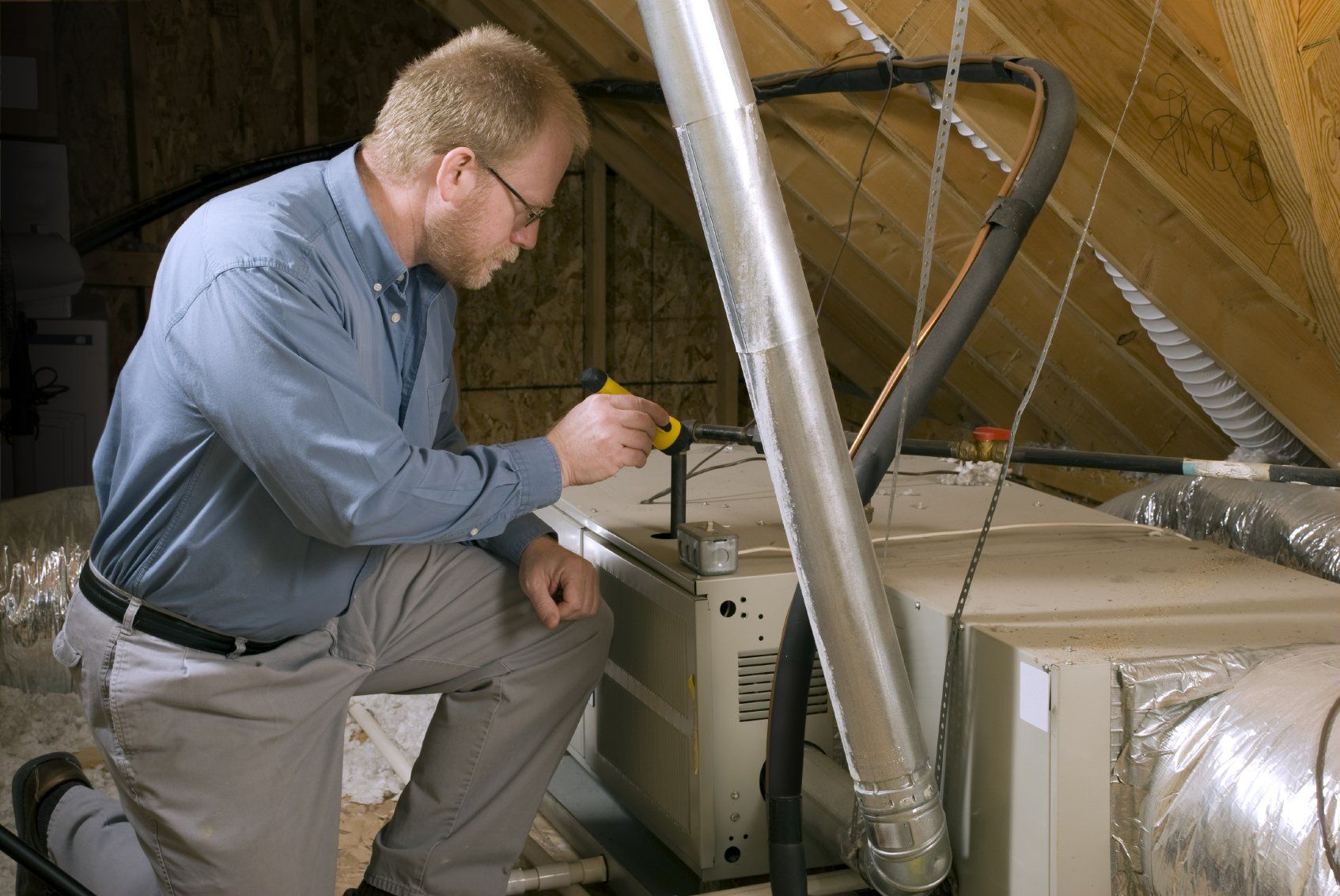
In 2026, the UK heating landscape is defined by a significant price gap between gas (approx. 5.7p–5.9p per kWh) and electricity (approx. 24.7p–27.7p per kWh). While electric systems are technically "100% efficient" at the point of use, their high running costs mean they are generally only economical for targeted "zone" heating rather than whole-home use Source: Ofgem
System
Gas Central Heating (Radiators)
Infrared Panels
Wood Burning Stoves
Slimline & Fixed Ceramic Heaters
Convector & Portable Electric Heaters
LED Living Flame / Fan Heaters
Efficiency
High (90–95% for modern condensing boilers)
Very High (Radiant heat; warms objects, not air)
Variable (75–80% for Ecodesign models)
High (100% efficient at point of use; good thermal mass)
Standard (100% point-of-use; heats air)
Lower (Significant energy used by fans/lights)
Running Costs
Lowest whole-house heating due to low gas unit rates.
Medium; more efficient than convection, but high electric unit rates apply.
Variable; dependent on wood source. Often used for "fuel independence".
High; better than fan heaters for steady heat but still costly per kWh.
High; heat is easily lost through draughts.
Highest; constant electricity draw for immediate, non-sustained heat.
Best Use Case
Full home heating; large properties.
Targeted heating in specific rooms; well-insulated homes.
Secondary heating; off-grid or supplement to gas.
Replacing old storage heaters; rooms used regularly.
Occasional use; guest rooms or quick boosts.
Aesthetic use; very short bursts of heat.
Naturally Sustainable is an online resource promoting sustainable activity at home, at work and when travelling. We are completely independent and provide our information free of charge to homeowners and small businesses in the UK. This review does not generate any income it has been prepared using best available information to help homeowners and small businesses decide which space heating options is right for them.
Ofgem report that between 1st April and 30th June 2026 the energy price cap is set at £1641 per year for a typical household which uses gas and electricity throughout the year and pay by Direct Debit. This represents an decrease of 6.6% over the previous price cap of £1758 set in January 1st to 31st March 2026.
For a typical user paying by direct debit, the unit rate will be 24.67p/kWh for electricity and 5.74p/kWh for gas. The average daily standing charge will be 54.75 pence per day for electricity and 29.09 pence per day for gas. The energy price cap for homes with prepayment meters is £1597, by Standard Credit £1772 and Economy 7 Direct Debit £1108.
Ofgem review and update the price every three months. The levels over 2026 will be announced as follows:
27th May 2026 - For the period 1st July to 30th September 2026
26th August 2026 - For the period 1st October to 31st December 2026
25th November 2026 - For the period 1st January to 31st March 2027
Further information is available on the OFGEM website here
Compare Heating Systems and Efficiency
System Insights for 2026
1. Gas Central Heating (Radiators)
- Running Cost: Remains the most cost-effective whole-home solution despite the transition toward greener energy.
- Efficiency: Modern boilers reach 95% efficiency, though heat loss in pipework can reduce real-world performance.
2. Infrared Panels
- Efficiency: Heats people and objects directly via radiation, meaning you feel warm even if the air temperature is lower.
- Cost: While electricity is 4x the price of gas, IR panels often require 30–50% lower wattage than convection heaters to achieve the same comfort level.
3. Wood Burning Stoves
- Regulation: As of 2026, new stoves must meet strict Ecodesign standards.
- Pros/Cons: Provides "off-grid" security but faces increasing scrutiny due to particulate emissions and local smoke control fines of up to £1,000. Source: Energy Saving Trust
4. Portable & Fixed Electric Heaters
- Convector/Fan Heaters: These heat the air, which rises and escapes. A 2kW heater costs roughly 50p–55p per hour to run at 2026 rates.
- Ceramic Heaters: Fixed ceramic "core" radiators retain heat longer than standard panels, making them slightly more effective for maintaining a steady temperature.
Frost Free Heaters: Very low wattage (usually under 500W); efficient only for their specific purpose—preventing pipe bursts in lofts or greenhouses.
Note: For 2026, many homeowners are considering Air Source Heat Pumps (300%–400% efficiency), which provide the lowest carbon footprint and can be more cost-effective than gas if paired with solar.
Cost-Per-Hour Breakdown (2026 Estimates) Room 5m x 3m
For a 15m² room (5m x 3m), the cost to maintain comfort in 2026 depends heavily on how the system delivers heat. While gas remains the cheapest per unit, infrared technology offers a middle ground by requiring less power to achieve the same perceived warm
Heating System
Gas Central Heating
Infrared Panels
Slimline / Ceramic Fixed
Convector / Fan Heater
Estimated Power Needed
~1.5kW (Boiler output)
0.8kW
1.5kW
2.0kW
Cost per Hour
10p
21p
39p
52p
Why?
Gas is significantly cheaper per unit (~6p/kWh) despite 90% boiler efficiency.
IR heats objects directly, so you need roughly half the wattage of a convector for the same comfort.
Efficient heat retention, but relies on expensive electric rates (~26p/kWh).
Heats air which quickly escapes; requires higher wattage to combat draughts

What are Infrared Panels
They are a very different form of heat than we have been used to, or perhaps not!
Almost half the sun's rays are infrared, and that explains the reason why, on a cold, chilly day, if the sun comes out from behind a cloud, we instantly feel it's warmth. However, unlike the sun infrared panels or radiant heat panels target a specific area.
Infrared heating panels use radiant heat and as such they are specifically designed to heat objects rather than the air, so in certain cases a good insulation level is not always required.
Fixed Infrared Panels
Increasingly architects are considering infrared heaters in new build, whole house solutions, working in harness with solar power to create light, warmth and heat where and when it is needed. Architects are exploiting the radiant heat spectrum, understanding that infrared will heat objects not air. Architects and heating designers know that the thermal mass of any object is able to retain three times more energy than air. If doors are opened then air will respond to ambient temperature, not so thermal mass, and so infrared heating evens out the highs and lows in temperature over the day. Radiant heaters can be wall mounted, be suspended from ceilings, or be part of a suspended ceiling. They can be neutral in colour or printed, with images as in a picture. A number of manufacturers have made the field their own. Without question this form of whole house heating is a skilled project and interested people should contact the providers.
Portable Infrared Panels
The good news is that small 1kW infrared panels can be portable or easily fixed to walls or ceiling or as complementary heaters to operate alongside an existing central heating, system, to provide a boost. or even to provide radiant heat in hard to heat areas for example garages, workshops or external buildings such as a garden office or sunroom.
Energy demand is low, ranging from 700W to 1kw. Expect a five-hour cost to be in the region of £0.90 to £1.40 and over the month from £5 to £10. We include the monthly figure to draw attention to the real costs as they mount up on your energy bill. A daily figure of around £1.40 for five hours of heat seems a small price to pay for heat, and in fairness it is, however it is a heat source to use wisely. Remember too, the radiant heat panel needs to be sized to the job, it is going to heat thermal mass, and that will not happen instantly.
LED Living Flame
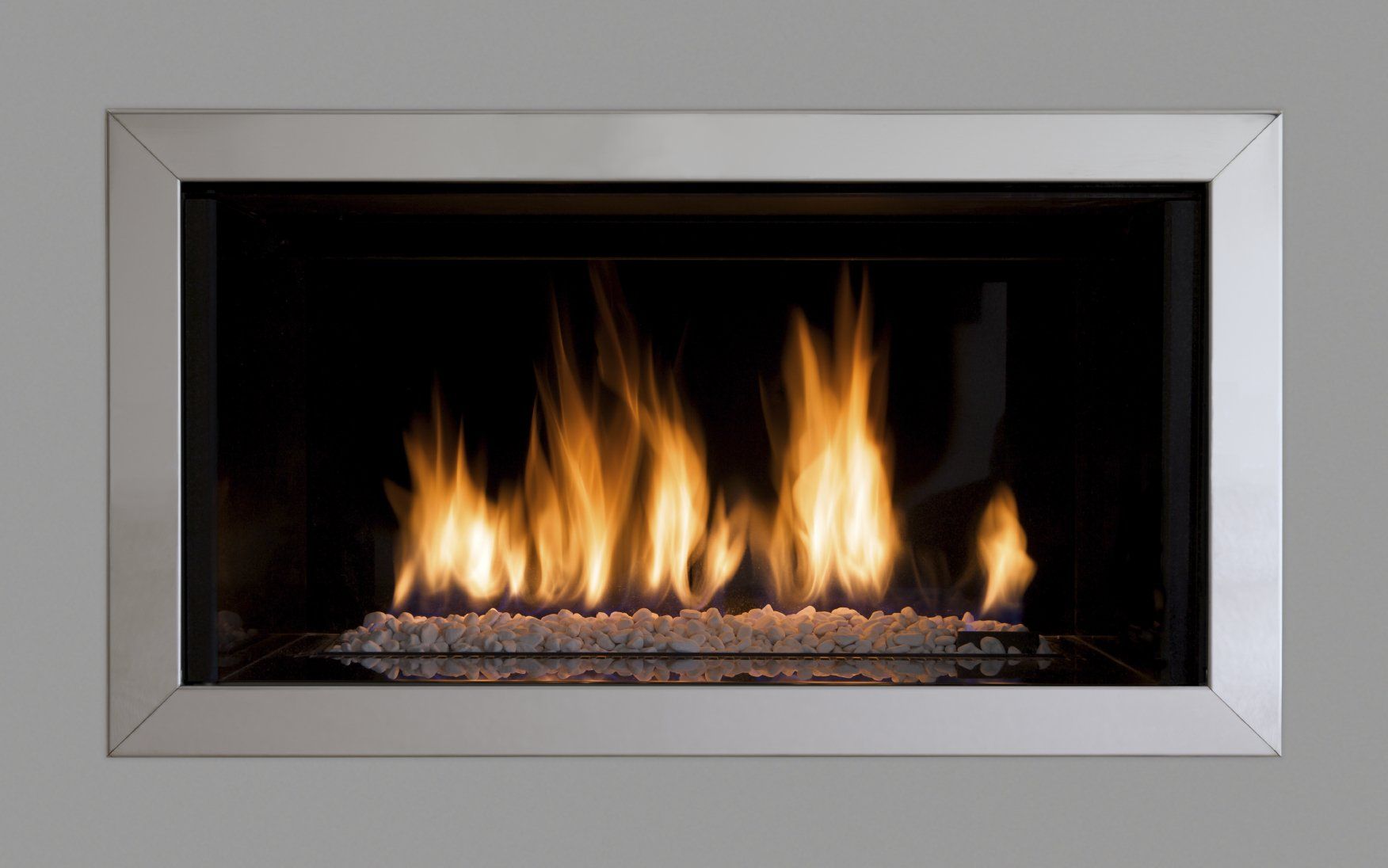
A smart, way to introduce heat into any room, the flame looks real, but it is a clever interpretation of LED. The heat is provided by a fan, generally two settings from a 2kW heater. Todays' cost over 5 hours will be around £2.64 It will heat up a big room, say 5m x 4m quickly however the manufacturers recommend it is installed in well insulated homes and should not be the main source of heat.
Waiver: All our information has been compiled using the latest data from product suppliers with comparative costs calculated using heat output ratings in kilowatt hours. Because different heaters perform in different ways to produce heat dispersed into all forms of structures this review is can only be used as a guide. We hope it helps you draw a conclusion of how best to heat your home, office or workshop.
Please complete the contact form below if you want more information in energy consumption across all forms of domestic and small business devices and equipment.

